 Playfest Berita Teknologi Terbaru
Open source software CRM: ditch the hefty price tags and embrace the flexibility! This isn’t your grandpappy’s CRM; we’re talking customizable, adaptable systems that empower businesses of all sizes. From small startups to sprawling enterprises, open-source CRMs offer a compelling alternative to proprietary solutions, promising powerful features without the premium price. But is it all sunshine and roses? We’ll delve into the pros, cons, and everything in between, helping you decide if open-source is the right fit for your business.
This deep dive explores the core functionalities, implementation strategies, and security considerations of open-source CRMs. We’ll compare popular platforms, examine cost implications, and even offer practical tips for successful implementation and customization. Whether you’re a tech whiz or a business owner with limited technical knowledge, this guide will equip you with the insights you need to make an informed decision.
Advantages and Disadvantages of Open Source CRM
Choosing the right CRM can be a game-changer for any business, regardless of size. Open-source CRMs offer a compelling alternative to their proprietary counterparts, presenting a unique blend of benefits and challenges. Let’s delve into the specifics to help you determine if this approach is right for your organization.
Benefits of Open-Source CRM for Businesses of Varying Sizes
Open-source CRMs offer several advantages, particularly appealing to businesses with varying resource constraints. Smaller businesses often appreciate the cost-effectiveness, while larger organizations might find the flexibility and customization options invaluable. The core appeal lies in the control and transparency offered.
- Cost-Effectiveness: Open-source CRMs eliminate the hefty licensing fees associated with proprietary software. This allows businesses to allocate their budget towards other crucial areas like marketing or staff development.
- Customization and Flexibility: The open-source nature allows for extensive customization. Businesses can tailor the CRM to their specific needs, integrating it with other tools and modifying its functionality to fit their unique workflows. This level of control is often lacking in proprietary systems.
- Scalability: Open-source CRMs can often scale more easily to accommodate business growth. As your needs change, you can adjust the system accordingly without being constrained by limitations inherent in pre-built, proprietary solutions.
- Community Support: A vibrant community of developers and users often surrounds popular open-source CRMs. This translates to readily available support, tutorials, and even custom add-ons, all fostering a collaborative environment.
- Transparency and Security: The open-source code is publicly available, allowing businesses to review and audit the security of the system. This transparency enhances trust and helps mitigate potential vulnerabilities.
Potential Drawbacks and Challenges of Open-Source CRM Implementation
While open-source CRMs offer significant benefits, they also present certain challenges that businesses need to carefully consider. The lack of vendor support and the need for technical expertise are two prominent factors.
- Implementation Complexity: Setting up and configuring an open-source CRM can be more complex than simply installing a proprietary solution. It often requires technical expertise, potentially necessitating the hiring of developers or consultants.
- Limited Vendor Support: Unlike proprietary CRMs, open-source solutions generally lack direct vendor support. While community support exists, it may not always be readily available or as comprehensive as dedicated vendor assistance.
- Security Concerns: While transparency can enhance security, it also means that vulnerabilities are potentially more visible to malicious actors. Regular updates and security audits are crucial to mitigate this risk.
- Integration Challenges: Integrating an open-source CRM with existing systems can be challenging, especially if those systems are proprietary. Careful planning and potentially custom development are often necessary.
- Hidden Costs: While the initial cost is low, businesses should factor in potential expenses for customization, integration, support, and maintenance. These costs can accumulate over time.
Scenarios Where Open-Source CRM is Suitable and Unsuitable
Open-source CRMs are ideal for businesses with specific needs and technical capabilities. They are less suitable for organizations lacking the resources or expertise to manage the implementation and maintenance.
Suitable Scenarios: Businesses with strong in-house technical capabilities, those requiring high levels of customization, and those operating on a tight budget are good candidates for open-source CRMs. Startups and smaller businesses often find them particularly attractive.
Unsuitable Scenarios: Organizations with limited technical expertise, those requiring extensive vendor support, and those prioritizing ease of implementation over customization might find proprietary CRMs more suitable. Large enterprises with complex requirements might also find the implementation and management of open-source CRMs challenging.
Examples of Successful Open-Source CRM Implementations
While specific details of successful implementations are often kept confidential, many case studies showcase the benefits of open-source CRMs in diverse settings. Imagine a small non-profit effectively managing donor relations using a customized open-source solution, leveraging its flexibility to track specific donation types and communication preferences. Similarly, a rapidly growing startup might utilize an open-source CRM to scale its customer interactions efficiently, adapting the system as its customer base expands. The key to success in these scenarios lies in careful planning, appropriate resource allocation, and a clear understanding of the organization’s specific needs.
Examples of Unsuccessful Open-Source CRM Implementations and Reasons for Failure
Conversely, unsuccessful implementations often stem from inadequate planning or unrealistic expectations. For example, a business might choose an open-source CRM without considering the technical expertise required for its maintenance. This can lead to system instability, data loss, and ultimately, project failure. Another common pitfall is underestimating the time and resources needed for customization and integration. A rushed implementation without sufficient testing can result in a dysfunctional system that fails to meet the organization’s needs. In essence, the failure often lies not in the software itself, but in the lack of proper planning and execution.
Functionality and Features of Open Source CRM: Open Source Software Crm
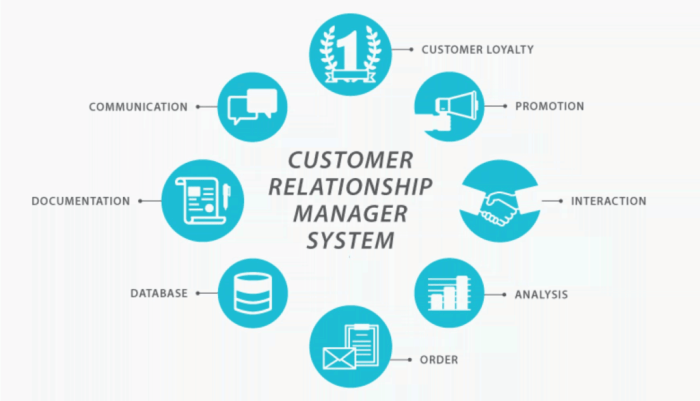
Open-source CRM systems offer a compelling alternative to proprietary solutions, providing businesses of all sizes with flexible and cost-effective tools for managing customer relationships. Their core functionality revolves around streamlining sales processes, improving customer interactions, and generating valuable insights from data. The beauty lies in their adaptability – you’re not locked into a rigid system; you can mold it to fit your specific needs.
Most open-source CRMs share a common set of features designed to handle the fundamental aspects of customer relationship management. These core features form the bedrock upon which more specialized functionalities are built.
Common Features of Open-Source CRMs
Common features include contact management (organizing customer information, tracking interactions, and segmenting audiences), sales pipeline management (visualizing the sales process, tracking deals, and managing opportunities), reporting and analytics (generating reports on sales performance, customer behavior, and other key metrics), and marketing automation (automating repetitive tasks like email campaigns and social media posting). Many also offer integration capabilities, allowing them to connect with other business applications like email clients and accounting software. This interconnectedness creates a more efficient workflow, avoiding data silos and manual data entry.
Customization Options in Open-Source CRMs, Open source software crm
The true power of open-source CRMs lies in their customizability. Unlike proprietary systems, open-source solutions allow for extensive modifications to match specific business requirements. This includes adding new features, integrating with other applications, and tailoring the user interface to improve usability. This flexibility is achieved through several methods: direct code modification (for users with programming expertise), the use of plugins and extensions (often provided by the community), and the ability to configure existing features to fit specific workflows. This adaptability is crucial for businesses with unique needs or those operating in niche markets.
Feature Comparison of Three Open-Source CRMs
Let’s compare three popular open-source CRMs: SuiteCRM, Odoo CRM, and CiviCRM. SuiteCRM is known for its robust feature set, mimicking many functionalities of commercial CRMs. It’s a good choice for businesses needing a comprehensive solution out of the box. However, its complexity can be a barrier for smaller businesses lacking technical expertise. Odoo CRM, part of a larger ERP suite, excels in integration capabilities. Its strength lies in connecting various business processes, but it might be overkill for organizations solely focused on CRM. CiviCRM, designed specifically for non-profits, focuses on fundraising and donor management. While powerful in its niche, it lacks some of the sales-focused features found in SuiteCRM or Odoo.
Hypothetical CRM System for Healthcare
Imagine a healthcare-focused CRM designed for clinics. It would prioritize patient data security and HIPAA compliance. Key features would include a robust patient record management system, appointment scheduling, billing integration, and communication tools for secure messaging with patients. Advanced analytics could track patient outcomes and identify trends, aiding in improving care quality. Integration with electronic health record (EHR) systems would be paramount, ensuring seamless data flow.
Essential Features for Small Businesses vs. Large Enterprises
The features required in a CRM vary significantly depending on the size and complexity of the business.
- Small Business CRM Essentials: Contact management, basic sales pipeline tracking, simple reporting, email integration, and ease of use are crucial. A small business likely needs a system that’s easy to learn and implement quickly, without extensive training requirements.
- Large Enterprise CRM Essentials: In addition to the small business essentials, large enterprises require advanced features such as complex sales pipeline management with multiple stages and approvals, detailed reporting and analytics dashboards, advanced automation capabilities, integration with multiple systems (ERP, marketing automation, etc.), and robust user permissions and security controls. Scalability is key, ensuring the system can handle a large volume of data and users.
Security and Support for Open Source CRM
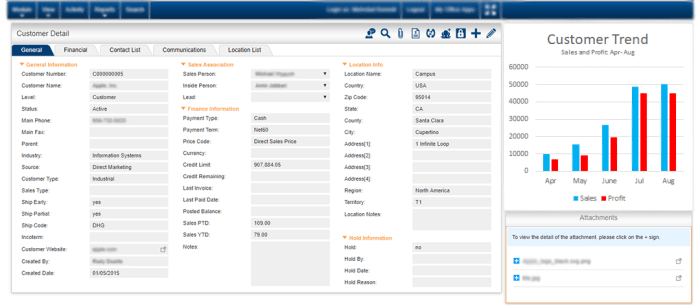
Choosing an open-source CRM offers flexibility and cost savings, but it also introduces unique security and support considerations. Understanding these aspects is crucial for making an informed decision and ensuring a smooth, secure implementation. Let’s delve into the specifics.
Security Considerations for Open Source CRM
Open-source CRMs, by their nature, have publicly available source code. This transparency, while beneficial for community contributions and customization, also means potential vulnerabilities are visible to everyone, including malicious actors. Regular security updates are paramount to patching identified flaws. Furthermore, the security posture relies heavily on the diligence of the organization deploying and maintaining the system. Insufficient security practices, such as weak passwords or inadequate access controls, can negate the benefits of even the most secure open-source software. A comprehensive security audit and penetration testing should be considered before deploying a production system.
Support Options for Open Source CRM Users
Open-source CRM users benefit from a vibrant ecosystem of support options. The most common is community support, often found through forums, mailing lists, and documentation wikis. This peer-to-peer support can be incredibly valuable, offering quick solutions to common problems and fostering a collaborative environment. However, community support’s responsiveness can vary, and complex issues may require more specialized assistance. For organizations requiring guaranteed response times and dedicated expertise, paid support contracts from commercial vendors specializing in specific open-source CRMs are available. These contracts typically include priority support, dedicated engineers, and customized security audits.
Security Feature Comparison of Three Open Source CRMs
Let’s compare the security features of three popular open-source CRMs: SuiteCRM, Odoo, and CiviCRM. While specific features vary across versions, general observations can be made. SuiteCRM generally emphasizes role-based access control and offers robust audit trails. Odoo boasts a modular architecture allowing for granular control over access and data visibility. CiviCRM, designed for non-profit organizations, often integrates with existing security infrastructures and emphasizes data privacy compliance. It’s crucial to note that security is not a single feature but a combination of practices and implementations. A thorough review of each CRM’s documentation and security advisories is essential before selection.
Potential Security Vulnerabilities and Mitigation Strategies
Open-source CRMs, like any software, are susceptible to vulnerabilities. SQL injection, cross-site scripting (XSS), and cross-site request forgery (CSRF) are common threats. Mitigation strategies include regularly updating the software to the latest version, implementing input validation and sanitization, using parameterized queries to prevent SQL injection, and employing robust authentication and authorization mechanisms. Regular security audits and penetration testing by qualified professionals can proactively identify and address potential weaknesses. Furthermore, strong password policies and multi-factor authentication are crucial additions to a robust security posture.
Checklist for Ensuring the Security of an Open Source CRM Deployment
Before deploying an open-source CRM, a comprehensive security checklist is vital. This ensures a secure and reliable system.
- Regular Software Updates: Implement a system for automatically updating the CRM and its dependencies to the latest versions to patch known vulnerabilities.
- Strong Password Policies: Enforce strong password policies, including minimum length, complexity requirements, and regular password changes.
- Access Control: Implement role-based access control to restrict access to sensitive data based on user roles and responsibilities.
- Input Validation and Sanitization: Validate and sanitize all user inputs to prevent injection attacks.
- Regular Security Audits and Penetration Testing: Conduct regular security audits and penetration testing to identify and address potential vulnerabilities.
- Multi-Factor Authentication (MFA): Implement MFA for all users to add an extra layer of security.
- Security Monitoring and Logging: Monitor system logs for suspicious activity and implement intrusion detection systems.
- Data Backup and Recovery: Regularly back up the CRM database and ensure a robust recovery plan is in place.
- Security Training for Users: Educate users on security best practices, including phishing awareness and password management.
- Firewall and Network Security: Configure firewalls and other network security measures to protect the CRM from external threats.
So, is open-source CRM the right move for you? The answer, as with most things in business, depends on your specific needs and resources. While the initial setup might require some technical expertise, the long-term benefits – cost savings, customization options, and community support – can be significant. By carefully weighing the advantages and disadvantages, understanding the implementation process, and prioritizing security, you can harness the power of open-source CRM to streamline your operations and achieve your business goals. Ready to take the plunge? Let’s get started!