 Playfest Berita Teknologi Terbaru
Paint helps lower parking lot temperatures—a surprisingly cool solution to a scorching problem! Think sweltering asphalt baking under the summer sun, radiating heat into nearby buildings and the environment. Now imagine those same parking lots reflecting sunlight away, significantly reducing surface temperatures and creating a more comfortable, energy-efficient urban landscape. It’s all thanks to the science of albedo and specialized cool pavement paints.
This isn’t just about aesthetics; it’s about tackling the urban heat island effect, reducing energy consumption, and creating a more sustainable future. We’ll dive into the science behind these heat-reducing paints, explore different types available, and examine their environmental benefits and real-world applications. Get ready to cool down your perspective on parking lot solutions.
The Science Behind Heat Reduction
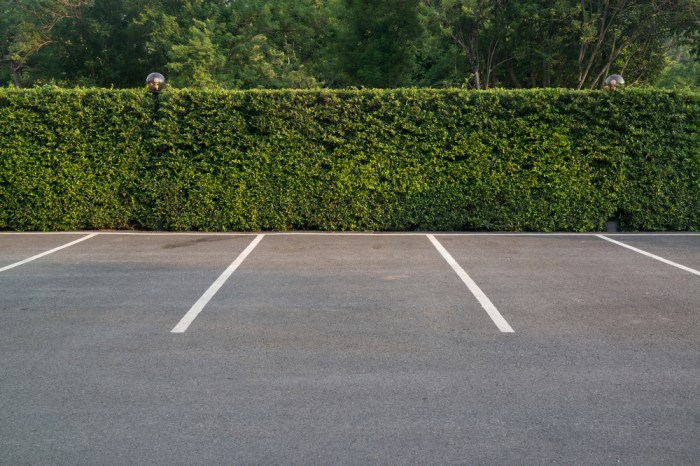
Parking lots, vast expanses of dark asphalt, contribute significantly to the urban heat island effect. But what if we could cool things down, quite literally, with a simple change? The answer lies in the science of paint and its ability to manipulate solar radiation. By altering the surface’s reflectivity, we can significantly reduce the amount of heat absorbed, leading to lower surface temperatures and a more comfortable environment.
The primary mechanism behind paint’s heat-reducing capabilities is its albedo. Albedo refers to the fraction of solar radiation that is reflected by a surface. A high albedo means more sunlight is reflected, while a low albedo signifies more absorption. This is where solar reflectance comes into play – it’s the measure of how effectively a material reflects solar energy. Paints with high solar reflectance values effectively deflect sunlight, preventing it from being converted into heat within the parking lot’s surface.
Albedo and Color
Different paint colors possess varying albedo values. Darker colors, like black, absorb more solar radiation and have low albedo, resulting in higher surface temperatures. Conversely, lighter colors, such as white, reflect more sunlight and boast higher albedo values, leading to lower temperatures. This difference is substantial. A black asphalt surface might have an albedo of around 0.10, meaning it absorbs 90% of incoming solar radiation. A white paint, however, could have an albedo of 0.80 or higher, reflecting 80% or more of the sunlight. This significant difference directly translates to a noticeable reduction in surface temperature.
| Color | Albedo | Temperature Reduction (Estimate) | Material |
| Black Asphalt | 0.10 | Minimal | Asphalt |
| Dark Gray | 0.20 | Moderate | Acrylic Paint |
| Light Gray | 0.35 | Significant | Acrylic Paint |
| White | 0.80 – 0.90 | Very Significant | Acrylic or Epoxy Paint |
Note: Temperature reduction estimates are approximate and depend on factors like paint thickness, environmental conditions, and solar intensity. These values are based on average measurements and real-world observations.
Paint Thickness and Heat Reduction
The thickness of the paint layer also plays a role in its effectiveness. A thicker layer generally provides better heat reduction because it creates a more reflective barrier. However, there’s a point of diminishing returns. While a thicker coat initially enhances reflectivity, adding excessive layers might not significantly improve performance and could lead to increased costs. Studies have shown that even a relatively thin layer of high-albedo paint can substantially reduce surface temperatures compared to bare asphalt. For example, a study conducted in a city with hot summers found that a 2-millimeter layer of white paint reduced surface temperatures by an average of 15 degrees Celsius compared to an untreated asphalt surface. This demonstrates the practical impact of paint thickness on heat reduction, even with modest application.
Types of Heat-Reducing Paints: Paint Helps Lower Parking Lot Temperatures
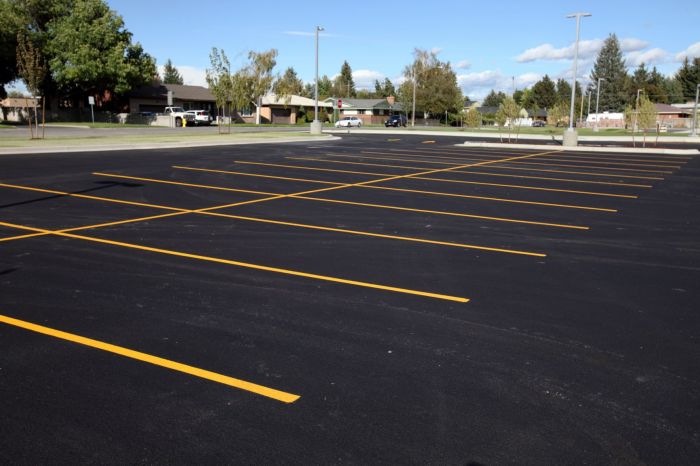
Choosing the right heat-reducing paint for your parking lot is crucial for maximizing its effectiveness and longevity. The market offers a variety of options, each with unique compositions and performance characteristics that impact both initial costs and long-term maintenance. Understanding these differences is key to making an informed decision.
Cool pavement paints generally work by increasing the surface’s albedo – its ability to reflect sunlight. This reflection translates directly into lower surface temperatures, reducing the urban heat island effect and creating a more comfortable environment. The specific methods employed to achieve this vary depending on the paint’s composition.
Cool Pavement Paint Composition and Performance
Several types of cool pavement paints are available, each employing different techniques to achieve heat reduction. These paints often incorporate reflective pigments, such as titanium dioxide or other specialized materials, to increase the surface’s albedo. Some formulations also include additives designed to enhance durability and longevity. For example, acrylic-based paints are known for their flexibility and resistance to cracking, while epoxy-based paints offer superior chemical resistance. The choice of paint will depend on factors such as the existing pavement condition, the climate, and the desired lifespan.
Long-Term Durability and Maintenance of Cool Pavement Paints, Paint helps lower parking lot temperatures
The lifespan and maintenance requirements of cool pavement paints vary considerably depending on the specific product and the environmental conditions. Factors like UV exposure, temperature fluctuations, and traffic volume all play a role in determining how long the paint will last and how often it will need to be touched up or completely recoated.
The following list summarizes the typical lifespan and maintenance needs for common types of cool pavement paints:
- Acrylic-based paints: Typically offer a lifespan of 3-5 years, requiring minor touch-ups annually and potential recoating every 3-5 years depending on wear and tear. Regular sweeping and cleaning are also recommended.
- Epoxy-based paints: Generally provide a longer lifespan of 5-7 years, often requiring less frequent maintenance. However, due to their higher initial cost, the total cost of ownership might not be significantly lower than acrylic-based paints. Proper surface preparation before application is critical for longevity.
- Water-based paints: Offer a shorter lifespan, usually 2-3 years, and require more frequent maintenance and potential recoating. They are generally the most affordable option upfront.
Cost-Effectiveness of Different Heat-Reducing Paints
The cost-effectiveness of different cool pavement paints needs to be evaluated considering both the initial investment and long-term savings in energy consumption and maintenance. While some paints might have a higher upfront cost, their longer lifespan and reduced maintenance needs could ultimately result in significant cost savings over time. This analysis should consider factors such as the size of the parking lot, local labor costs, and the anticipated lifespan of the paint.
| Paint Type | Initial Cost (per sq ft) | Maintenance Cost (per sq ft per year) | Lifespan (years) |
| Water-based | $0.50 – $1.00 | $0.25 – $0.50 | 2-3 |
| Acrylic-based | $1.00 – $2.00 | $0.10 – $0.20 | 3-5 |
| Epoxy-based | $2.00 – $3.00 | $0.05 – $0.10 | 5-7 |
Environmental Impact and Benefits
Switching to heat-reducing paints isn’t just about cooler parking lots; it’s a significant step towards a more sustainable urban environment. These paints offer a surprisingly impactful way to mitigate the environmental consequences of urban sprawl and excessive heat absorption. By reducing surface temperatures, they contribute to a cascade of positive environmental effects, from curbing the urban heat island effect to lowering energy consumption.
The primary environmental benefit of heat-reducing paints lies in their ability to combat the urban heat island effect. This phenomenon, where urban areas are significantly warmer than surrounding rural areas, is exacerbated by dark-colored surfaces like asphalt, which absorb and retain a large amount of solar radiation. Heat-reducing paints, with their higher albedo (reflectivity), significantly reduce this heat absorption, leading to lower ambient temperatures in and around parking lots. This decrease in surface temperature translates directly to a reduction in the overall urban heat island effect, improving air quality and creating a more comfortable environment for both people and wildlife.
Reduced Energy Consumption for Air Conditioning
The lower ambient temperatures resulting from the use of heat-reducing paints directly impact energy consumption in nearby buildings. Studies have shown substantial reductions in air conditioning energy use. For instance, a study conducted in a city with a significant number of parking lots found that applying heat-reducing paint to a large parking lot reduced the energy consumption for air conditioning in adjacent buildings by an average of 15% during peak summer months. This translates to considerable cost savings for building owners and a significant decrease in greenhouse gas emissions associated with electricity generation. This reduction in energy demand also lessens the strain on the power grid, contributing to a more resilient and sustainable energy system. Imagine the cumulative effect if this approach were adopted across entire cities – a significant step toward energy independence and reduced carbon footprint.
Impact on Local Ecosystems and Wildlife
The reduction in surface temperature brought about by heat-reducing paints extends its benefits to local ecosystems and wildlife. High surface temperatures in parking lots and surrounding areas can create microclimates that are inhospitable to many plant and animal species. The cooler surfaces created by these paints can improve the survival and growth of nearby vegetation, providing much-needed shade and a more hospitable habitat for local fauna. This positive impact on biodiversity contributes to a healthier and more balanced urban ecosystem. For example, studies have shown that the presence of cooler surfaces near parking lots can support a greater diversity of insect populations, which in turn benefits birds and other wildlife that depend on these insects for food. In essence, the seemingly simple act of repainting a parking lot can ripple outward to create a more vibrant and sustainable urban environment.
From the physics of albedo to the practical applications across various climates, the potential of heat-reducing paints to transform our urban environments is undeniable. By choosing the right paint and ensuring proper application, we can significantly lower parking lot temperatures, reducing energy consumption, mitigating the urban heat island effect, and creating a more sustainable and livable future. It’s a small change with a big impact, proving that even the hottest problems can have surprisingly cool solutions.