 Playfest Berita Teknologi Terbaru
Temple Run 2 dashes to the top of app store—a story of addictive gameplay, clever marketing, and a perfectly timed release. This endless runner wasn’t just a hit; it redefined the genre, captivating millions with its simple yet endlessly engaging mechanics. We’ll dive into the secrets behind its phenomenal success, exploring everything from its intuitive controls and rewarding progression system to its savvy monetization strategy and lasting impact on the mobile gaming landscape.
From its vibrant visuals and pulse-pounding soundtrack to its surprisingly deep progression system, Temple Run 2 expertly crafted an experience that kept players coming back for more. Its success wasn’t accidental; it was a carefully orchestrated blend of compelling gameplay, smart marketing, and a deep understanding of the mobile gaming market. We’ll dissect the elements that made it a chart-topping phenomenon and explore what lessons other developers can learn from its enduring legacy.
Gameplay and User Engagement
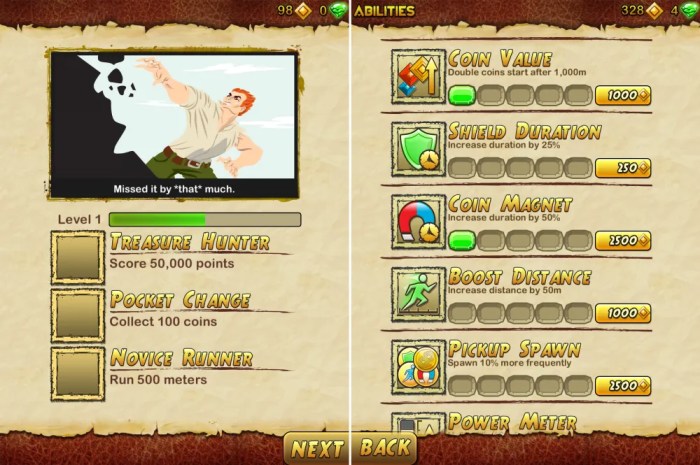
Temple Run 2’s enduring popularity hinges on its deceptively simple yet endlessly replayable gameplay loop. The core mechanic – running endlessly while swiping to navigate obstacles and collect coins – is immediately intuitive, creating an addictive cycle of near misses and satisfying successes. This intuitive design, combined with clever progression systems, successfully hooked millions of players.
The game’s enduring appeal stems from its expertly crafted balance of challenge and reward. The constant threat of failure keeps players engaged, while the steady stream of rewards, from coins to power-ups, provides a sense of accomplishment and encourages continued play. This perfectly balanced loop ensures that players are constantly motivated to improve their high score and unlock new content.
Core Gameplay Mechanics and Engaging Elements
The seemingly simple act of running is amplified by a variety of engaging elements. The constant stream of obstacles – sudden turns, precarious ledges, and menacing monkeys – demands quick reflexes and precise timing. The incorporation of power-ups, such as magnets to collect coins effortlessly or boosts to escape immediate danger, adds layers of strategic depth and enhances the sense of agency. Furthermore, the introduction of new characters, each with unique abilities, provides a compelling reason for continued play and customization. The game’s visuals, with their vibrant colors and detailed environments, also contribute to its overall appeal, making each run a visually stimulating experience.
Progression System and Player Retention
Temple Run 2’s progression system is cleverly designed to keep players coming back for more. The accumulation of coins allows players to upgrade their characters, unlocking new abilities and enhancing their performance. The introduction of new characters and environments provides a sense of ongoing discovery and encourages players to invest more time in the game. The leaderboard system fosters competition, motivating players to surpass their own high scores and compete with friends, creating a powerful incentive for sustained engagement. This combination of short-term rewards and long-term goals effectively sustains player interest over extended periods.
Impact of In-App Purchases on Player Experience
Temple Run 2’s monetization strategy, centered around in-app purchases, played a significant role in its success. While players can progress through the game without spending any money, the option to purchase coins, power-ups, or new characters accelerates progress and enhances the overall experience. This optional purchase system avoids the feeling of being forced to pay, allowing players to choose the pace of their progress. The carefully balanced freemium model ensures that the game remains enjoyable for both paying and non-paying players, maximizing revenue while maintaining a positive player experience. The strategic placement of purchase opportunities within the game’s natural flow further minimizes the disruption to gameplay. For example, the option to purchase more coins after a particularly successful run capitalizes on the player’s positive emotional state, increasing the likelihood of a purchase.
Monetization and Business Model: Temple Run 2 Dashes To The Top Of App Store

Temple Run 2’s success isn’t just about addictive gameplay; it’s a masterclass in mobile monetization. The game cleverly balances player experience with revenue generation, a tightrope walk many free-to-play games fail to achieve. Let’s dissect the strategies employed and explore potential alternatives.
Temple Run 2 primarily relies on two core monetization strategies: in-app purchases and rewarded video advertisements. These are interwoven to create a system that encourages spending without feeling overly intrusive or exploitative (at least, not for the majority of players).
In-App Purchases, Temple run 2 dashes to the top of app store
In-app purchases form the backbone of Temple Run 2’s revenue stream. Players can purchase various in-game items, significantly impacting their gameplay experience. These range from cosmetic upgrades like new characters and outfits to power-ups that enhance their chances of survival. The pricing model is tiered, offering different bundles at varying price points, catering to different spending habits. The effectiveness of this strategy lies in its integration with the game’s core mechanics. Purchasing items doesn’t provide an unfair advantage; instead, it enhances the visual appeal and provides temporary boosts, offering a sense of progression and customization. The success of this strategy relies heavily on the perceived value proposition: are players willing to pay for these enhancements? The answer, judging by the game’s continued success, is a resounding yes, for many.
Rewarded Video Advertisements
Temple Run 2 utilizes rewarded video ads strategically. Instead of bombarding players with constant interruptions, ads are presented as optional opportunities to earn in-game currency or power-ups. This approach maintains a positive player experience because engagement with ads is entirely voluntary. The effectiveness is directly tied to the perceived value of the reward; if the reward is enticing enough, players are more likely to watch an ad. However, over-reliance on this strategy could lead to ad fatigue and negatively impact player retention. The game carefully balances the frequency of these offers, preventing it from becoming a nuisance.
Alternative Monetization Strategy: Subscription Model with Exclusive Content
An alternative monetization strategy could involve a subscription model offering exclusive content. This could include access to unique characters, outfits, power-ups, or even exclusive game modes unavailable to free players. A monthly subscription fee would provide a consistent revenue stream, potentially surpassing the fluctuating income from in-app purchases.
The benefits of a subscription model include predictable revenue and the potential to foster a more engaged community of dedicated players. However, the drawbacks include the risk of alienating free-to-play players and the need to consistently deliver fresh, exclusive content to justify the subscription cost. The success of this model hinges on offering compelling enough exclusive content to outweigh the cost for a substantial player base. Games like Fortnite and many mobile RPGs have successfully implemented this model, proving its viability in the mobile gaming market. However, it requires a carefully balanced approach to avoid pricing out a significant portion of the player base.
Temple Run 2’s reign at the top of the app store wasn’t a fluke; it was a testament to a well-executed game design, smart monetization, and a keen understanding of player psychology. Its impact extends far beyond its initial success, shaping the endless runner genre and leaving a lasting mark on the mobile gaming world. The game’s enduring popularity proves that a simple, yet expertly crafted, mobile experience can achieve remarkable success.